

Biblical Hebrew Language Course
Biblia Hebraica Stuttgartensia (BHS), published by the German Bible Society
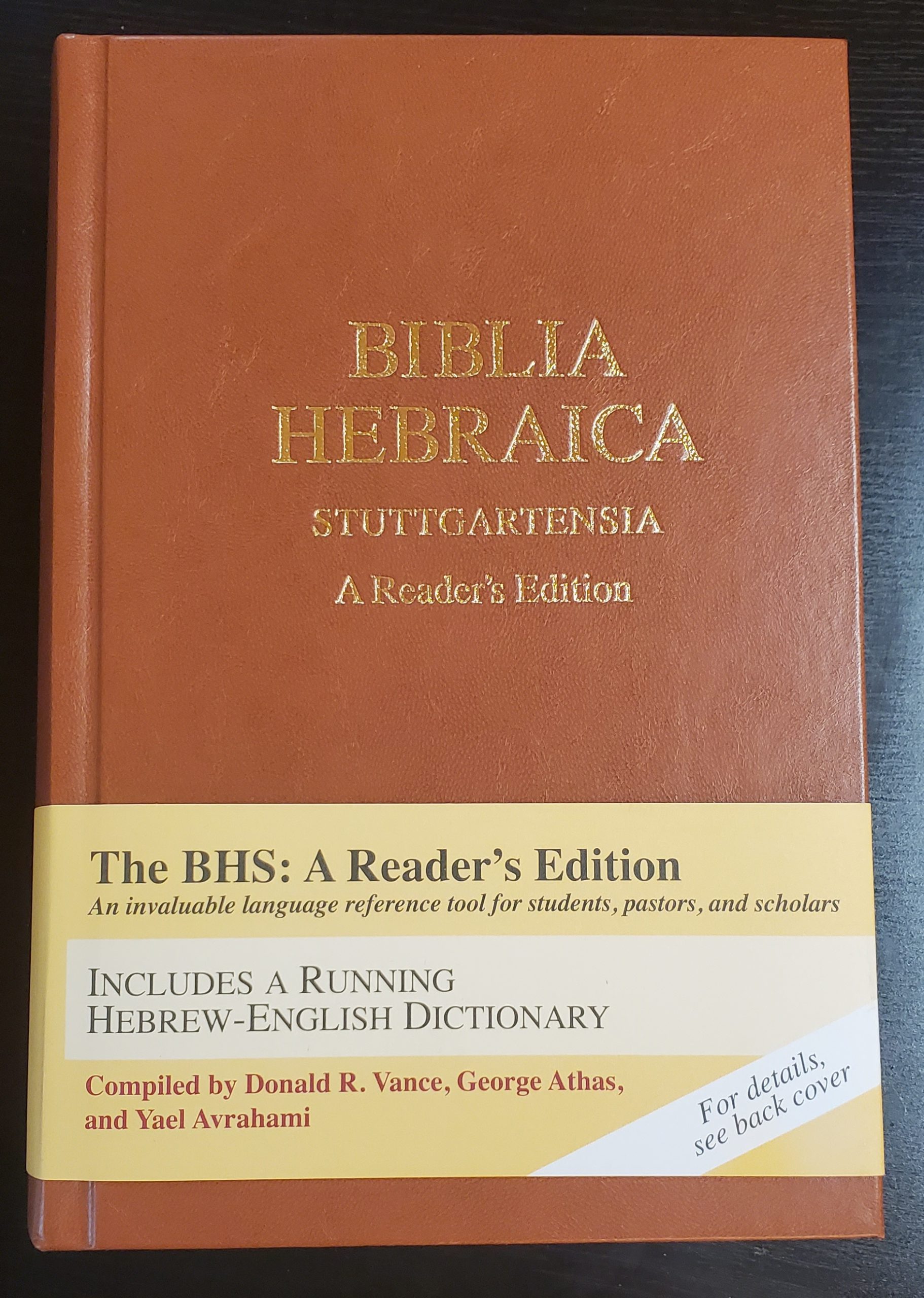
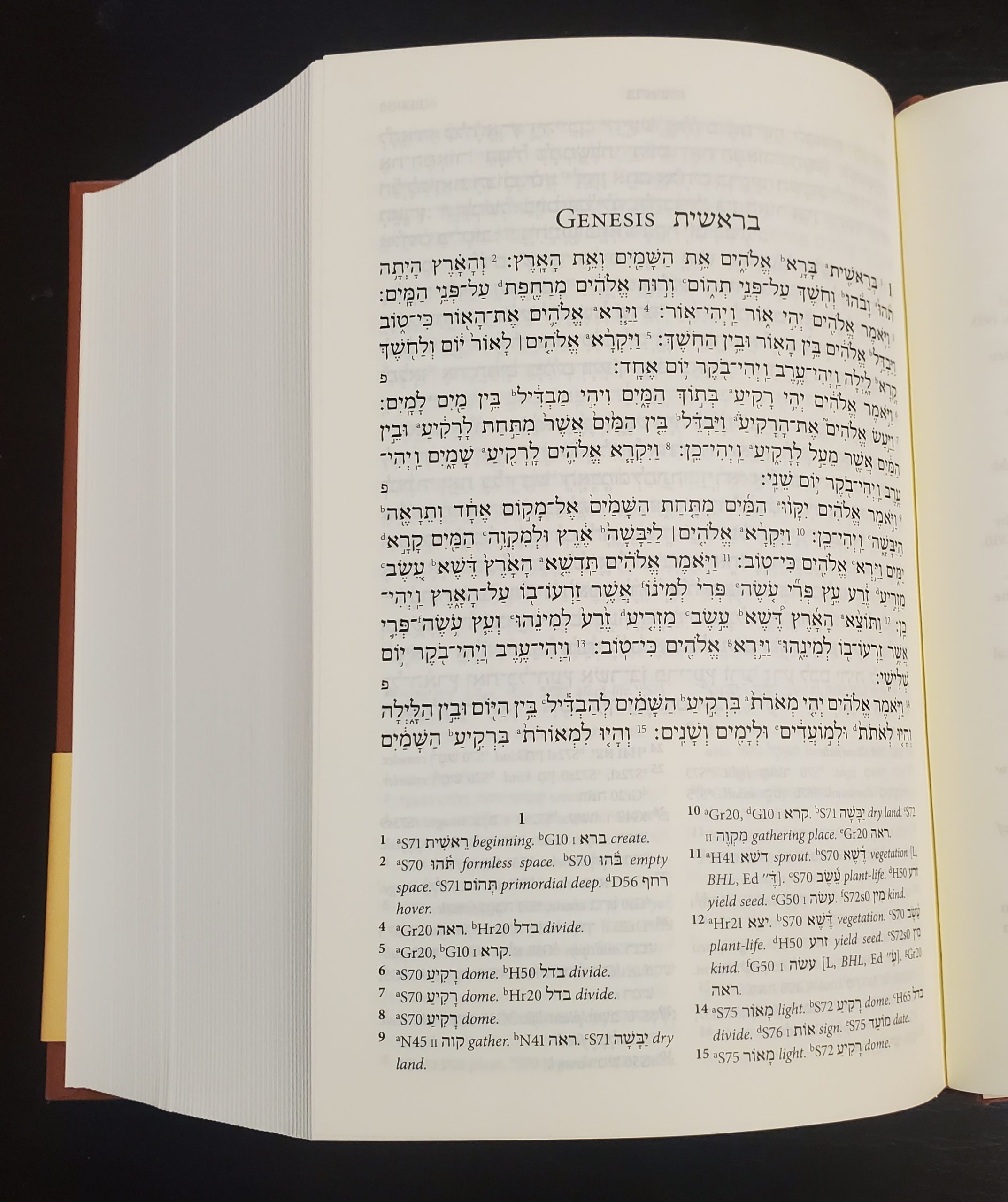
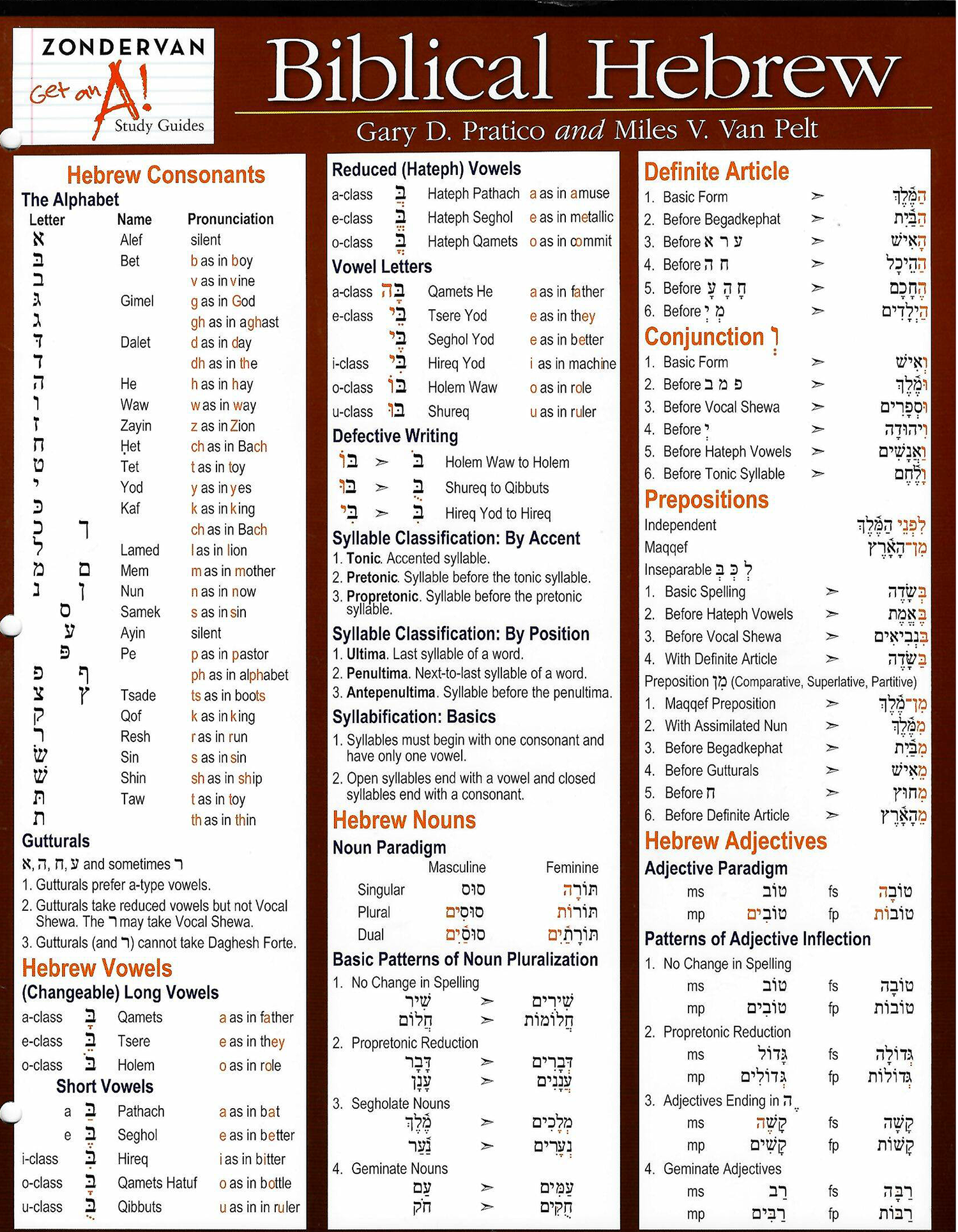
Charts of Biblical Hebrew by Gary D. Pratico and Miles V. Van Pelt
Charts of Biblical Hebrew, coauthored by Gary D. Pratico and Miles V. Van Pelt, is a comprehensive guide that visually organizes the complexities of Biblical Hebrew grammar in an accessible way. The book contains more than 130 charts covering key grammatical elements such as the Hebrew alphabet, vowel systems, noun and verb paradigms, prepositions, and pronouns. It serves as an invaluable resource for both beginners and advanced learners, making it an excellent reference for seminary students, pastors, and scholars seeking to master the foundational structures of Hebrew.
About the Author
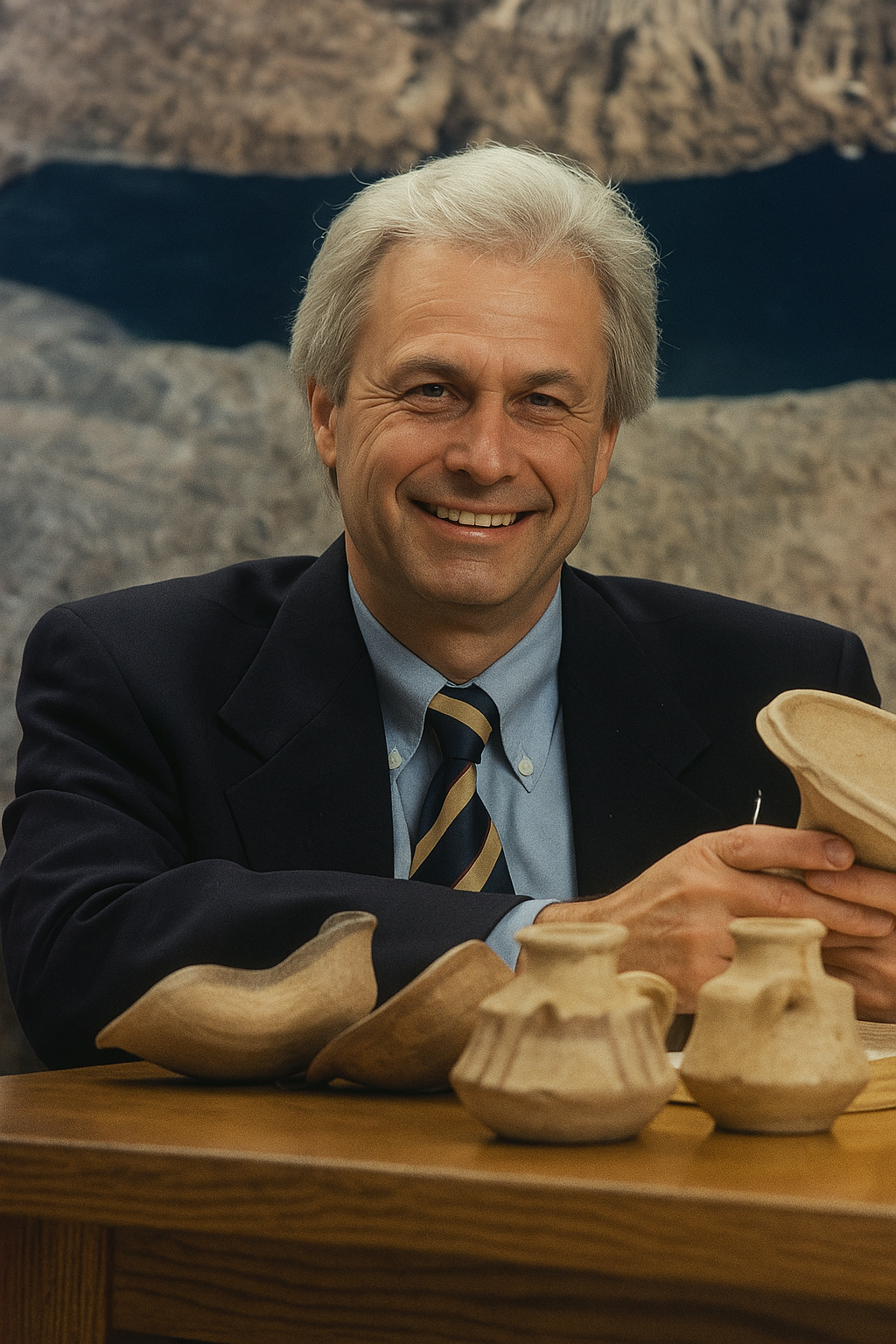
Gary D. Pratico, Th.D. (Harvard Divinity School), is Senior Professor of Old Testament and Hebrew at Gordon-Conwell Theological Seminary. He has taught Hebrew for over thirty years and, together with Miles V. Van Pelt, co-authored Basics of Biblical Hebrew (Grammar and Workbook) as well as The Vocabulary Guide to Biblical Hebrew.
Miles V. Van Pelt, Ph.D. (The Southern Baptist Theological Seminary), serves as the Alan Belcher Endowed Professor of Old Testament and Biblical Languages and Academic Dean at Reformed Theological Seminary (Jackson, Mississippi).
Beginning Biblical Hebrew by Mark D. Futato
Mark D. Futato’s Beginning Biblical Hebrew is a widely used introductory textbook for biblical Hebrew in seminaries and theological education programs. The book focuses on the grammar, vocabulary, and syntax necessary for reading and translating the Hebrew Bible, presenting the material through a systematic and clear instructional method. In particular, it incorporates exercises and reading passages drawn directly from the biblical text to support practical application. By maintaining a strong balance between linguistic accuracy and accessible explanation, it is regarded as a highly suitable textbook for beginning students.
About the Author

Dr. Mark D. Futato is the Robert L. Maclellan Endowed Professor of Old Testament at Reformed Theological Seminary in Orlando, Florida. He earned his degrees from Geneva College (B.A.), Westminster Theological Seminary (M.Div.), and The Catholic University of America (M.A., Ph.D.).
A distinguished scholar and educator, Dr. Futato is best known as the author of Beginning Biblical Hebrew, a widely acclaimed introductory grammar recognized for its clarity and systematic approach to language instruction. In addition to his teaching, he has contributed to major Bible translation and commentary projects, including the New Living Translation and the ESV Study Bible, and he is also the co-founder of Daily Dose of Hebrew, a widely used online learning platform for biblical Hebrew.
A Concise Dictionary of the Words in the Hebrew Bible by James Strong
James Strong’s A Concise Dictionary of the Words in the Hebrew Bible; with Their Renderings in the Authorized English Version, first published in 1890, is a significant lexicon widely used alongside his landmark work, Strong’s Exhaustive Concordance. In this dictionary, every word in the Old Testament is assigned a sequential identifier, known as the Strong’s number, accompanied by the original Hebrew or Aramaic form, its root, transliteration, pronunciation, and statistical data on its renderings in the King James Version (KJV). By systematically numbering each word of the biblical text, Strong left a lasting scholarly achievement that made the study of the original languages of Scripture more accessible and methodical.
About the Author
James Strong was a Methodist layman who advocated for the establishment of systematic seminaries for formal ministerial training. One year after the founding of Drew Theological Seminary, he joined the faculty and played a significant role in the school’s early development. Prior to this, he studied at Wesleyan University, earning three degrees, and also served as acting president of Troy University.
In 1890, he published the Strong’s Exhaustive Concordance, a monumental work that remains widely used today. The Strong’s numbering system, beginning with ‘H’ and ‘G,’ continues to serve as an indispensable tool for the study of biblical Hebrew and Greek. After twenty-five years of faithful service at Drew Seminary, he passed away in 1893.
Ancient Hebrew Lexicon of the Bible by Jeff A. Benner
Ancient Hebrew Lexicon of the Bible presents a distinctive and alternative approach to the study of Biblical Hebrew. It is especially valuable for students, scholars, and general readers interested in linguistic archaeology or biblical word studies from a non-Western and ancient perspective. Many so-called “modern” Biblical Hebrew dictionaries, though well-intentioned, are not entirely free from the preconceptions of Western tradition. Such “good intentions” often result in definitions of Hebrew words that emphasize later doctrinal interpretations rather than their original meanings. In contrast, Benner seeks to uncover the original usage of Hebrew words, frequently offering insights that challenge traditional theological interpretations.
About the Author

Jeff A. Benner is an independent biblical scholar and the founder of the Ancient Hebrew Research Center. He is well known for his work in reconstructing the ancient Hebrew language and interpreting biblical words through their original pictographic meanings and ancient cultural contexts. Benner has authored more than twenty books, including The Ancient Hebrew Lexicon of the Bible, which reflect his distinctive approach that combines linguistic and archaeological perspectives. In his analysis of word etymology, Benner emphasizes concrete, action-oriented meanings rooted in the worldview of the nomadic Hebrews, often challenging modern theological interpretations.
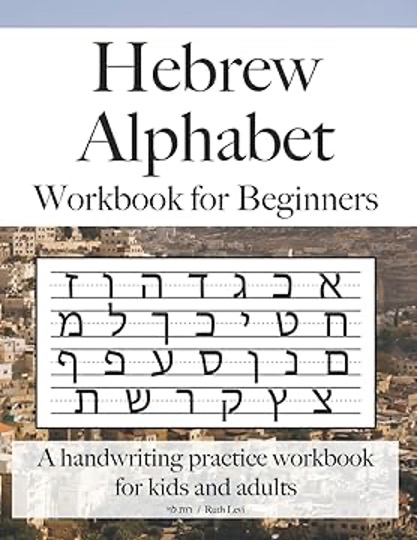
Hebrew Alphabet Workbook for Beginners by Ruth Levi
Hebrew Alphabet Workbook for Beginners: A Handwriting Practice Workbook for Kids and Adults is designed to help learners actively write and become familiar with the Hebrew alphabet. Simply recognizing the letters with your eyes and repeating them aloud will fade from memory within a few days. When we study Hebrew, we are not learning in the living world of spoken sound, but rather encountering the language solely within the world of written letters. It is, in a sense, a struggle with the letters themselves. From the very beginning, the process of “I write, and I read” is essential. This is the common conviction of those who have successfully learned Hebrew.