

Biblical Studies
(Old Testament)
Course
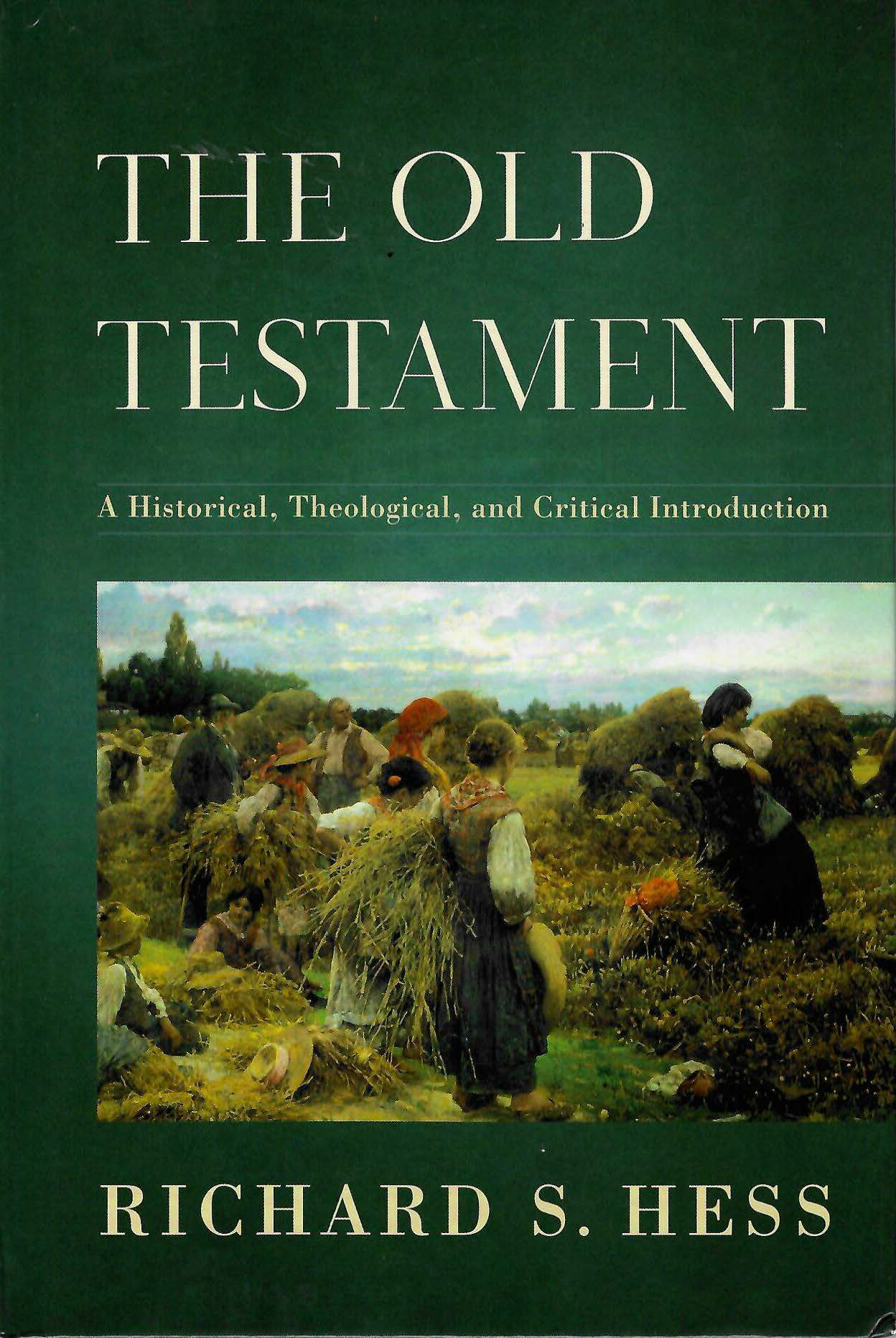
The Old Testament: A Historical, Theological, and Critical Introduction by Richard S. Hess
The Old Testament by the renowned Old Testament scholar Richard S. Hess is an academic yet accessible introduction that surveys the thirty-nine books of the Old Testament, from Genesis to Malachi. The author highlights the structure, authorship, historical context, and theological themes of each book, while engaging with major issues in contemporary biblical scholarship. Throughout, he maintains a perspective that respects the reliability of the biblical text.
About the Author

Richard S. Hess is a distinguished Old Testament scholar who teaches Old Testament and Semitic languages at Denver Seminary. He earned his B.A. from Wheaton College, his M.Div. and Th.M. from Trinity Evangelical Divinity School, and his Ph.D. from Hebrew Union College. Renowned for his expertise in Ancient Near Eastern literature and biblical theology, he is the author of numerous books and commentaries, including The Old Testament: A Historical, Theological, and Critical Introduction and Israelite Religions: An Archaeological and Biblical Survey.
Hess has also contributed to several major Bible translation projects, including the NIV, ESV, and HCSB, and has served as editor for academic journals such as Denver Journal and Bulletin for Biblical Research. Both a scholar and an ordained minister, he integrates academic rigor with a deep commitment to the church and to Christian faith.
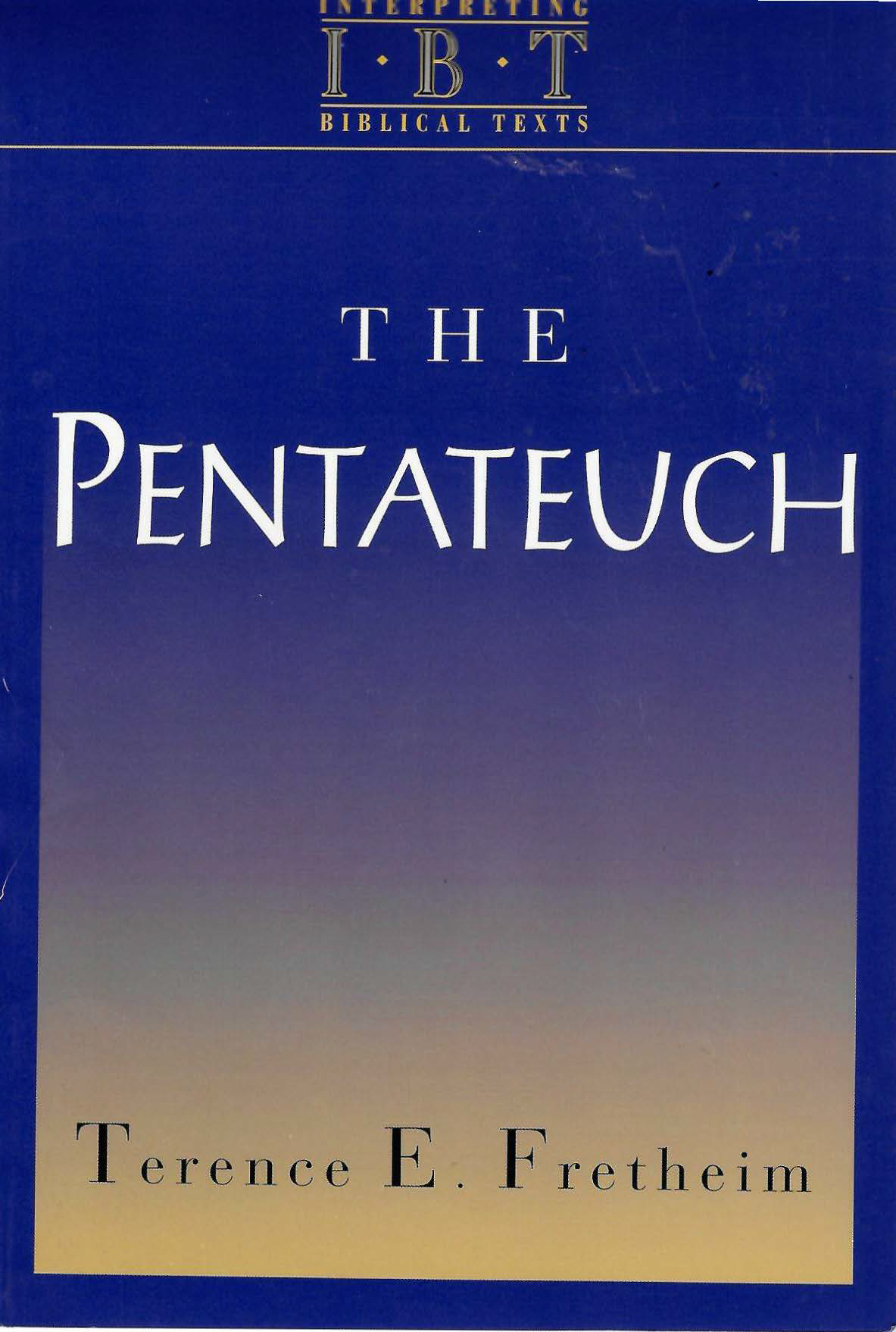
The Pentateuch by Terence E. Fretheim
Terence E. Fretheim’s The Pentateuch presents the first five books of the Bible—Genesis through Deuteronomy—from theological and literary perspectives, emphasizing both their overarching unity and their distinctive voices. Fretheim interprets the Pentateuch not merely as ancient history or a legal code, but as a dynamic theological narrative centered on God’s work within creation, covenant, and community. He focuses particularly on the interaction between God and humanity, the role of God’s promises and their fulfillment in human history, and the ethical significance of the law within Israel’s story.
About the Author

Terence E. Fretheim (1936–2020) was a distinguished Old Testament scholar and theologian, widely recognized for his contributions to the field of Relational Theology. He taught Old Testament at Luther Seminary in St. Paul, Minnesota, for over forty years, serving as the Elva B. Lovell Professor of Old Testament. Fretheim earned his Ph.D. from Princeton Theological Seminary and also taught at seven other institutions, including Princeton, the Graduate Theological Union, Vancouver, and McCormick Theological Seminary.
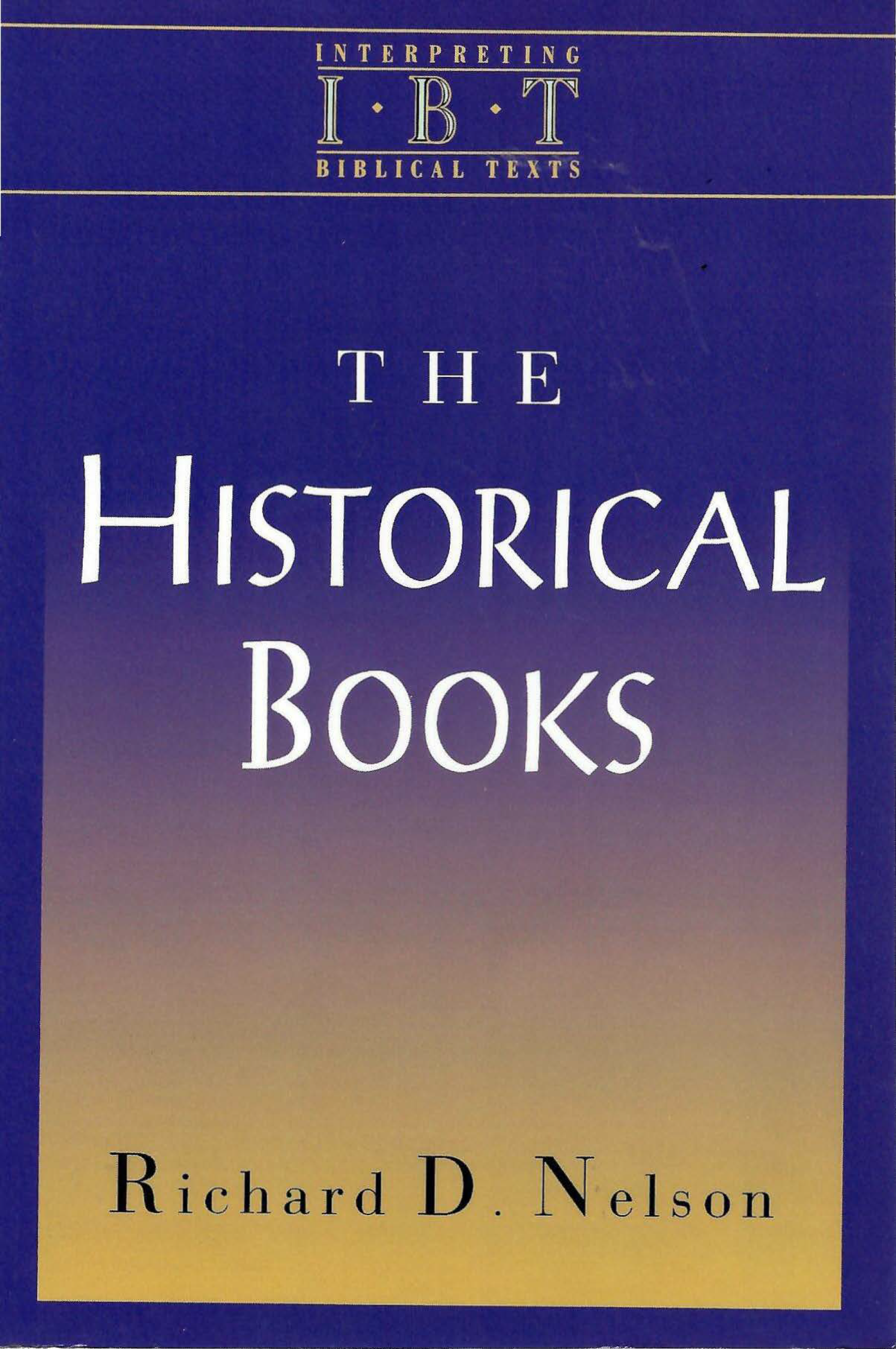
The Historical Books by Richard D. Nelson
Richard D. Nelson’s The Historical Books is an academic yet accessible introduction to the biblical books traditionally known as the Historical Books, from Joshua through Esther. Nelson explores how these texts narrate Israel’s history from the conquest to the exile, focusing on theological themes, historical context, and literary structure. He also examines how they reflect Israel’s evolving faith in relation to God, kingship, prophecy, and the law.
About the Author
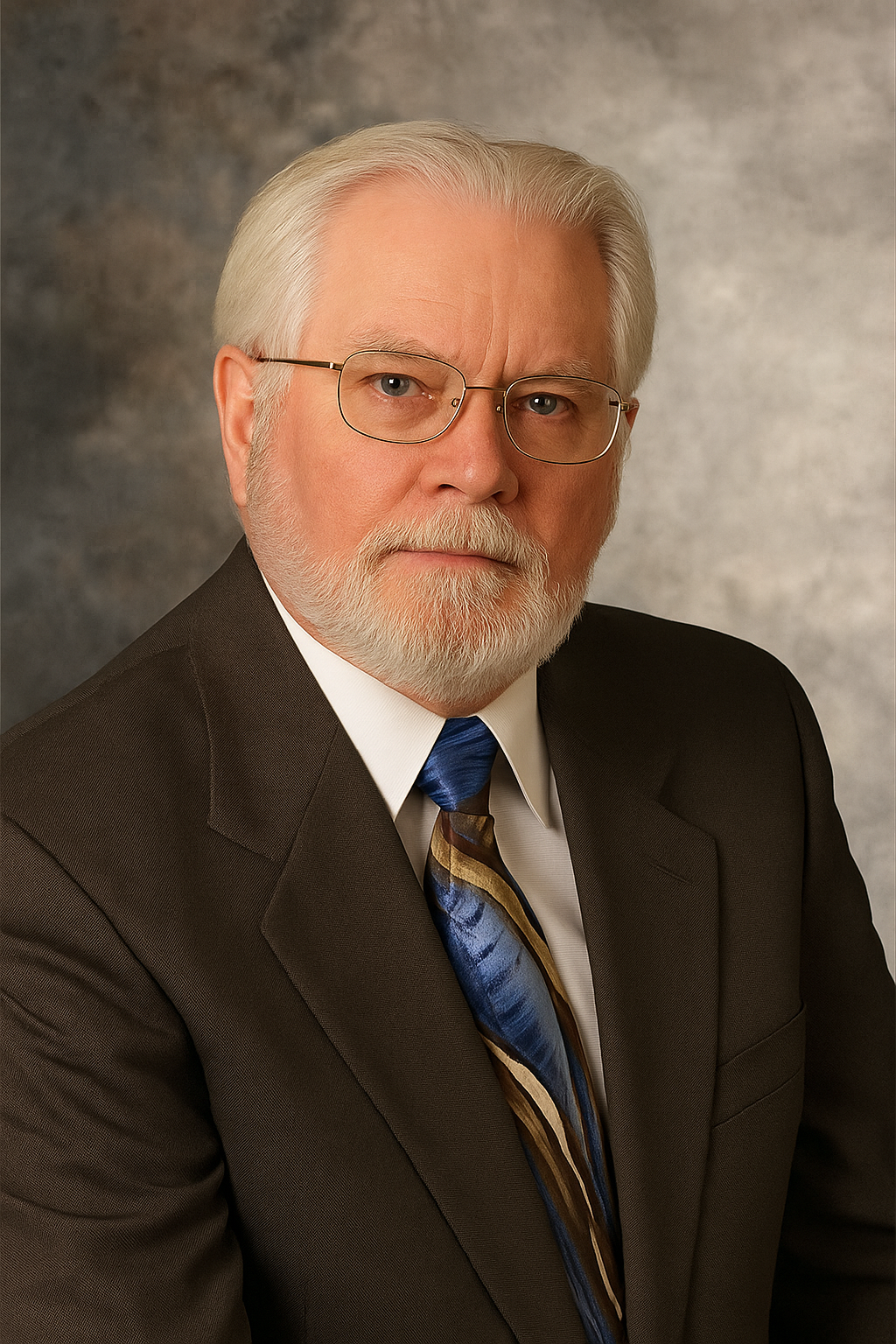
Richard D. Nelson is a leading authority in Old Testament studies and Biblical Hebrew, serving as Professor Emeritus of Old Testament and Hebrew at Southern Methodist University’s Perkins School of Theology. He is especially well known for his scholarship on the Historical Books of the Old Testament, including Joshua, Kings, and Deuteronomy.
Nelson earned his Ph.D. from Union Theological Seminary in Virginia and has authored numerous commentaries and theological works that integrate historical-critical scholarship with theological insight. His writings are widely praised for their clarity, balance, and deep engagement with both academic and faith communities. Through his teaching and publications, Nelson has made significant contributions to the study of Israel’s history and the theological interpretation of Scripture.
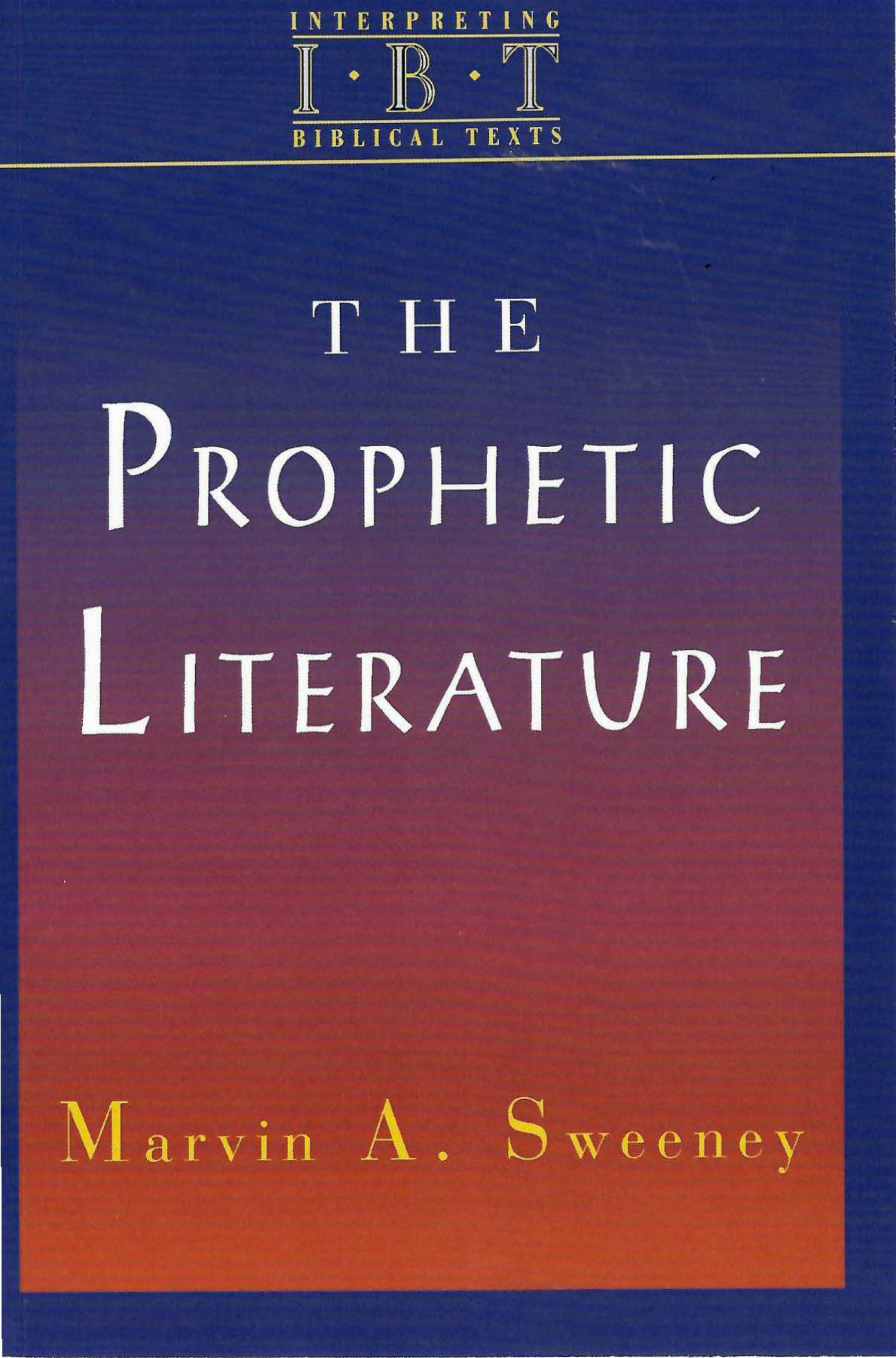
The Prophetic Literature by Marvin A. Sweeney
Marvin A. Sweeney’s The Prophetic Literature provides a comprehensive yet accessible introduction to the prophetic books of the Hebrew Bible, emphasizing their final literary form and theological message. The book explores the role of the prophets, the historical and social contexts in which they lived, and the distinctive themes of each prophetic work.
Sweeney analyzes the structure, genre, and function of the prophetic writings—including Isaiah, Jeremiah, Ezekiel, and the Twelve Minor Prophets—guiding readers to grasp their core messages within complex literary compositions.
About the Author

Marvin A. Sweeney is a distinguished American biblical scholar who currently serves as Professor of Hebrew Bible at Claremont School of Theology, affiliated with Willamette University in Salem, Oregon. Born in 1953 in Decatur, Illinois, he has made significant contributions to the study of prophetic literature, Jewish biblical theology, and Jewish mysticism.
Sweeney earned his Ph.D. in Hebrew Bible at Claremont Graduate University under the supervision of Rolf P. Knierim, and later completed postdoctoral studies at the Hebrew University of Jerusalem with Moshe Greenberg. His extensive teaching career has included appointments at the University of Miami, Hebrew Union College–Jewish Institute of Religion, and Yonsei University in Seoul, among others.
Psalms by William P. Brown
William P. Brown’s Psalms offers a profound theological and literary exploration of the central role that the Psalms have played in shaping Israel’s faith and worship. Brown analyzes the wide variety of genres, poetic structures, and major theological themes—such as lament, praise, and wisdom—while highlighting the continuing spiritual significance of the Psalms for contemporary life.
Reflecting both his scholarly expertise as an Old Testament theologian and his sensitive insight into the emotional and communal dimensions of the Psalms, this volume serves at once as an academic introduction and a resource for devotion.
About the Author

William P. Brown is an ordained minister in the Presbyterian Church (U.S.A.) and currently serves as the William Marcellus McPheeters Professor of Old Testament at Columbia Theological Seminary in Decatur, Georgia. He received his B.A. in Philosophy from Whitman College, his M.Div. from Princeton Theological Seminary, and his Ph.D. in Old Testament from Emory University.
Brown is well known for his scholarship on the Psalms, wisdom literature, and the intersections of theology and ecology. His major works include Seeing the Psalms: A Theology of Metaphor and Psalms in the Interpreting Biblical Texts series. Beyond academia, he is actively involved in faith-based environmental initiatives, demonstrating a commitment to integrating biblical insights with contemporary social issues.
The Wisdom Literature by Richard J. Clifford
This book offers a concise yet profound exploration of the wisdom literature of the Bible, including Proverbs, Job, Ecclesiastes, Sirach, and the Wisdom of Solomon. The author situates these writings within their Ancient Near Eastern context, highlighting their theological depth and practical insights into human suffering, justice, and the search for a meaningful life. Special emphasis is placed on the uniqueness of Israel’s wisdom tradition, which grounds understanding in the fear of the Lord, while also showing how these texts engage with universal human concerns. It serves as an excellent introduction for those seeking to grasp the spiritual and intellectual richness of the biblical wisdom tradition.
About the Author
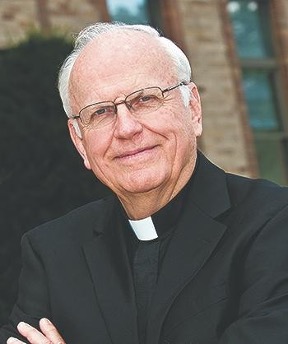
Father Richard J. Clifford, S.J., is a distinguished Jesuit biblical scholar specializing in Old Testament wisdom literature and the Psalms. He earned his A.B. and M.A. from Boston College, an S.T.L. from Weston Jesuit School of Theology, and a Ph.D. in Biblical Studies from Harvard University. He taught for many decades at Weston before becoming the founding dean of the Boston College School of Theology and Ministry.